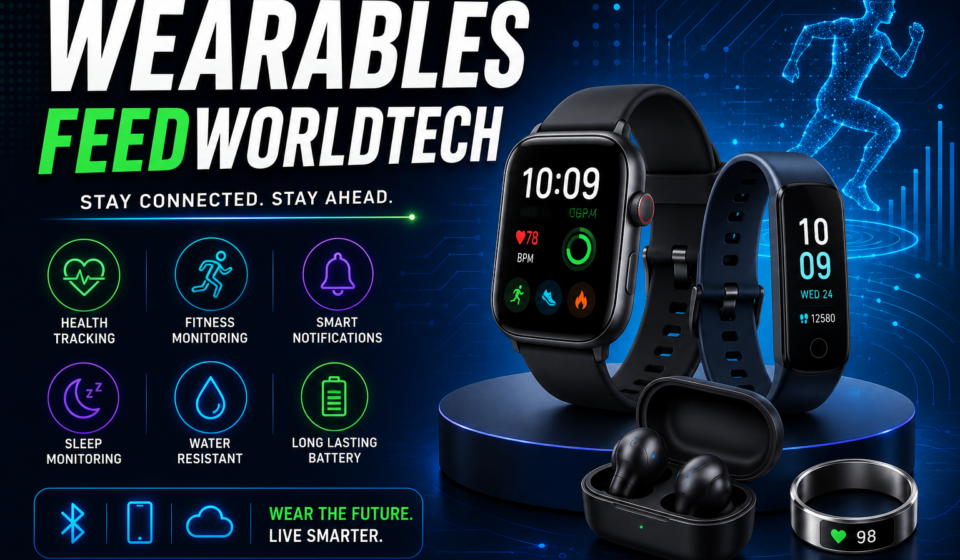

Wearable technology has transformed from a niche innovation into an essential part of everyday life. From smartwatches that monitor heart rate to fitness bands tracking sleep quality and smart glasses offering augmented reality experiences, wearable devices continue to evolve at an incredible pace. If you’ve searched for wearables FeedWorldTech, you’re likely looking for reliable insights into the latest wearable technology trends, innovations, and practical applications.
This comprehensive guide explores everything you need to know about wearable technology, including how it works, major categories, real-world benefits, industry trends, healthcare applications, AI integration, privacy concerns, and what the future may bring. Whether you’re considering buying your first wearable or simply want to stay updated with emerging technologies, this guide provides practical, research-backed information designed for both beginners and technology enthusiasts.
What Is Wearables FeedWorldTech?
Wearables FeedWorldTech refers to information, news, insights, and developments surrounding wearable technology covered within the broader technology ecosystem. It encompasses smart devices designed to be worn on the body while collecting, processing, and displaying useful information.
Modern wearables combine multiple technologies into compact devices, including:
- Artificial Intelligence
- Machine Learning
- Bluetooth connectivity
- GPS tracking
- Optical sensors
- Motion sensors
- Cloud computing
- Health monitoring systems
- Mobile app integration
These technologies work together to provide real-time insights that help users improve health, productivity, communication, and daily convenience.
What Are Wearable Devices?
Wearable devices are electronic products designed to be comfortably worn throughout the day. Unlike traditional electronics, these devices continuously collect data while interacting seamlessly with smartphones, cloud platforms, or standalone operating systems.
Popular wearable categories include:
- Smartwatches
- Fitness trackers
- Smart rings
- Smart glasses
- Wireless earbuds
- Medical wearables
- Smart clothing
- GPS sports watches
- Wearable ECG monitors
- Sleep tracking devices
Each category serves different users, from athletes and healthcare professionals to office workers and casual consumers.
How Wearable Technology Works
Understanding wearable technology becomes easier when you break it into four simple components.
Sensors
Sensors gather physical information such as:
- Heart rate
- Blood oxygen
- Skin temperature
- Body movement
- Sleep activity
- Stress levels
- ECG readings
- Calories burned
These sensors continuously monitor changes throughout the day.
Processing
Built-in processors analyze collected information instantly. Many modern wearables also use AI algorithms to identify patterns and provide personalized recommendations.
Connectivity
Most wearables connect through:
- Bluetooth
- Wi-Fi
- Cellular networks
- NFC
- GPS
This allows synchronization with smartphones, tablets, and cloud platforms.
User Feedback
The processed information appears as:
- Notifications
- Health reports
- Exercise summaries
- Sleep analysis
- Daily goals
- Smart reminders
- Emergency alerts
Users receive actionable insights rather than just raw numbers.
Why Wearable Technology Has Become So Popular
Several factors have accelerated wearable adoption worldwide.
Growing Health Awareness
People increasingly want to understand their physical well-being. Wearables provide continuous monitoring without requiring hospital visits.
Improved Battery Technology
Longer battery life allows users to wear devices for several days without charging.
Artificial Intelligence
AI has dramatically improved wearable accuracy by identifying health patterns and predicting potential issues.
Better Smartphone Integration
Modern wearables work seamlessly with smartphones, making notifications, navigation, payments, and communication more convenient.
Remote Healthcare
Doctors increasingly use wearable-generated health data for remote patient monitoring and preventive care.
Major Types of Wearable Technology
Smartwatches
Smartwatches remain the most popular wearable category.
Key features include:
- Heart rate monitoring
- GPS navigation
- Sleep tracking
- Mobile payments
- Voice assistants
- Fitness coaching
- Blood oxygen monitoring
- ECG functionality
- Notification management
They combine productivity with health management in one compact device.
Fitness Trackers
Fitness trackers focus primarily on activity monitoring.
Common capabilities include:
- Step counting
- Exercise recognition
- Distance tracking
- Active minutes
- Sleep monitoring
- Workout summaries
- Hydration reminders
They’re often more affordable than premium smartwatches.
Smart Rings
Smart rings offer advanced health tracking in a discreet form factor.
Features may include:
- Sleep monitoring
- Heart rate tracking
- Body temperature
- Stress analysis
- Recovery scores
- Activity tracking
Their small size makes them appealing for users who dislike wrist-worn devices.
Smart Glasses
Smart glasses blend digital information with real-world environments.
Applications include:
- Navigation
- Video recording
- Remote collaboration
- Augmented reality
- Translation
- Voice commands
Industries such as manufacturing, logistics, and healthcare increasingly use smart glasses.
Medical Wearables
Medical-grade wearables help patients and healthcare professionals monitor health conditions.
Examples include:
- Continuous glucose monitors
- Portable ECG monitors
- Blood pressure wearables
- Fall detection systems
- Smart hearing aids
- Rehabilitation devices
These devices improve patient outcomes while reducing hospital visits.
Health Benefits of Wearable Technology
Healthcare represents one of the most valuable applications of wearable devices.
Better Heart Health
Continuous heart monitoring helps detect irregular heart rhythms, elevated resting heart rates, and other cardiovascular indicators that may require medical attention.
Improved Sleep Quality
Wearables analyze:
- Sleep duration
- Deep sleep
- REM sleep
- Wake periods
- Sleep consistency
Users can adjust habits to improve recovery.
Increased Physical Activity
Daily reminders encourage users to:
- Walk more
- Exercise regularly
- Stand after long sitting periods
- Reach personalized fitness goals
Stress Management
Many devices estimate stress levels using heart rate variability and breathing patterns.
Users receive guided breathing exercises and relaxation recommendations.
Weight Management
Wearables estimate calorie expenditure and activity levels, helping users maintain healthier lifestyles.
AI Is Transforming Wearable Technology
Artificial Intelligence has become central to wearable innovation.
Instead of simply displaying raw data, AI identifies meaningful trends.
Examples include:
- Predicting illness before symptoms appear
- Personalized workout recommendations
- Adaptive sleep coaching
- Smart recovery suggestions
- Automated health alerts
- Context-aware notifications
Future wearable devices will rely even more heavily on AI-driven personalization.
Wearables in Healthcare
Healthcare organizations increasingly recognize wearable technology as an essential tool.
Hospitals now use wearable data for:
- Remote patient monitoring
- Chronic disease management
- Post-surgery recovery
- Elderly care
- Medication adherence
- Emergency response
Doctors can review continuous health information instead of relying solely on occasional clinic visits.
This proactive approach improves diagnosis while reducing healthcare costs.
Wearables in Sports and Fitness
Professional athletes have used wearable technology for years.
Now recreational users benefit from similar innovations.
Sports wearables monitor:
- Running efficiency
- Cycling performance
- Swimming metrics
- Recovery status
- Training load
- VO₂ Max estimates
- Heart rate zones
- Muscle fatigue
Personalized insights help prevent injuries while improving performance.
Business Applications of Wearables
Wearables are no longer limited to consumers.
Businesses use them for:
Workforce Safety
Industrial wearables monitor worker fatigue, environmental hazards, and emergency situations.
Productivity
Smart glasses assist technicians with hands-free instructions during complex repairs.
Logistics
Warehouse workers use wearable scanners to improve inventory accuracy.
Manufacturing
Augmented reality headsets streamline assembly processes and employee training.
Challenges Facing Wearable Technology
Despite impressive progress, several challenges remain.
Privacy Concerns
Wearables collect sensitive health information.
Users should understand:
- Data storage practices
- Privacy settings
- Sharing permissions
- Security policies
Protecting personal health information remains essential.
Battery Limitations
Although batteries continue improving, smaller devices still face energy constraints.
Future innovations will focus on:
- Faster charging
- Longer battery life
- Energy-efficient processors
Data Accuracy
Consumer wearables provide estimates rather than medical diagnoses.
Users should consult healthcare professionals for medical decisions.
Cost
Premium wearable devices can be expensive.
Fortunately, competition continues expanding affordable options without sacrificing essential functionality.
Emerging Trends in Wearable Technology
Several exciting trends are shaping the industry’s future.
AI-Powered Health Predictions
Future wearables may detect illnesses days before noticeable symptoms appear.
Smart Clothing
Sensors woven directly into clothing will monitor:
- Muscle movement
- Body temperature
- Hydration
- Posture
Non-Invasive Blood Monitoring
Researchers continue working toward needle-free glucose monitoring and additional biometric measurements.
Extended Reality Integration
Wearables will increasingly combine:
- Virtual Reality
- Augmented Reality
- Mixed Reality
These technologies will transform education, gaming, healthcare, and remote collaboration.
Better Battery Technology
Solid-state batteries and energy harvesting methods promise longer-lasting wearable devices.
How to Choose the Right Wearable Device
Before purchasing a wearable, consider several important factors.
Define Your Primary Goal
Ask yourself whether you need:
- Fitness tracking
- Health monitoring
- Productivity tools
- Sports performance analysis
- Medical monitoring
Choosing based on your primary purpose prevents overspending.
Check Compatibility
Ensure the wearable works with your smartphone operating system.
Compatibility affects:
- Notifications
- App support
- Software updates
- Feature availability
Evaluate Battery Life
Longer battery life improves convenience, especially for sleep tracking and travel.
Consider Comfort
A wearable should feel comfortable enough for all-day use.
Weight, strap materials, and size all matter.
Review Software Support
Manufacturers providing regular software updates generally deliver better long-term value.
Tips for Getting the Most from Your Wearable
Many owners use only a fraction of their wearable’s capabilities.
To maximize value:
- Wear it consistently.
- Update software regularly.
- Customize health goals.
- Enable emergency features.
- Review weekly health summaries.
- Use guided workouts.
- Track sleep consistently.
- Sync data with companion apps.
- Protect your privacy settings.
- Clean sensors regularly.
Small habits produce significantly better long-term insights.
Conclusion
Wearable technology continues to reshape how people interact with their health, work, and daily lives. From smartwatches and fitness trackers to medical devices and AI-powered health assistants, today’s wearables offer far more than simple step counting. They provide continuous insights that help users make informed decisions, improve fitness, monitor wellness, and stay connected throughout the day.
As innovation accelerates, the ecosystem highlighted by wearables FeedWorldTech will continue expanding into healthcare, enterprise solutions, sports performance, and immersive digital experiences. Artificial intelligence, advanced sensors, longer battery life, and smarter software will make wearable devices even more capable in the coming years.
Whether you’re investing in your first wearable or following the latest technological advancements, understanding how these devices work—and choosing one that aligns with your goals—will help you unlock their full potential. The future of wearable technology is not only smarter but also more personalized, predictive, and deeply integrated into everyday life.
Frequently Asked Questions
What does wearables FeedWorldTech refer to?
Wearables FeedWorldTech generally refers to information, insights, trends, and developments related to wearable technology, including smart devices, AI-powered innovations, healthcare applications, and emerging industry news.
Are wearable devices accurate?
Most consumer wearables provide highly useful estimates for daily health and activity tracking. However, they should not replace professional medical equipment or healthcare advice.
Which wearable device is best for beginners?
Fitness trackers and entry-level smartwatches are excellent starting points because they offer activity tracking, heart rate monitoring, sleep analysis, and smartphone notifications at reasonable prices.
Can wearable devices improve health?
Yes. Wearables encourage healthier habits by tracking physical activity, monitoring sleep, measuring heart rate, reminding users to stay active, and providing personalized wellness insights.
What is the future of wearable technology?
Future wearable technology will likely include advanced AI assistants, smart clothing, non-invasive health monitoring, augmented reality integration, improved battery technology, and even more personalized health recommendations.