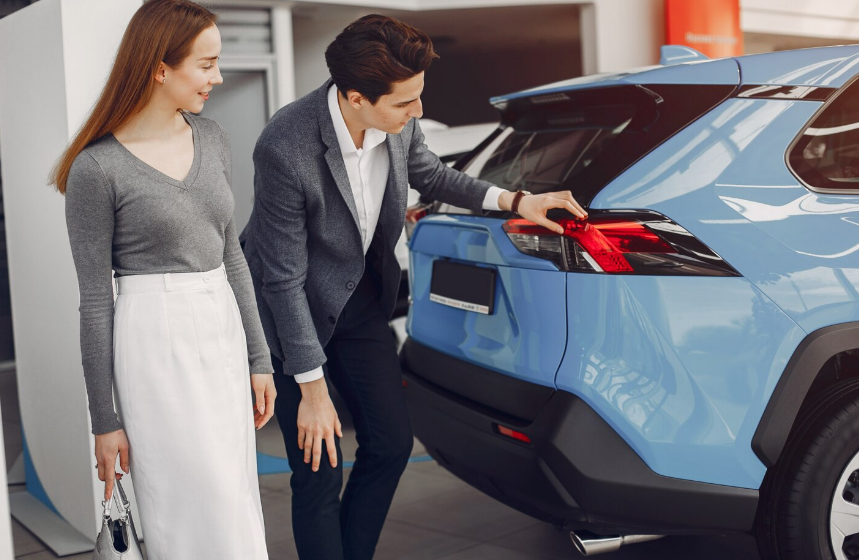

Choosing a new vehicle is no longer simply a decision between different brands, sizes, and features. Drivers today also have to decide what type of powertrain best fits their lifestyle. Electric vehicles have become increasingly popular, while traditional gas-powered cars remain a practical choice for millions of drivers. Understanding the differences between the two can help you make a smarter buying decision.
Electric cars and gas cars both have advantages and disadvantages. The right option depends on factors such as your driving habits, budget, charging access, maintenance preferences, and long-term plans.
How Electric and Gas Cars Work
Electric cars use rechargeable battery packs to power one or more electric motors. Instead of burning fuel, they use electricity stored in the battery. When the battery gets low, the vehicle needs to be connected to a charging station or home charger.
Gas-powered vehicles use an internal combustion engine. Fuel is stored in the tank and burned inside the engine to produce the energy needed to move the vehicle. Gas cars can be refueled at traditional fuel stations, which makes them convenient for drivers who regularly take long trips.
The two technologies provide very different driving experiences, even though both are designed to perform the same basic job.
Purchase Price and Budget
The initial price of a vehicle is an important consideration for most buyers. Gas cars are available across a wide range of price points, including many affordable models.
Electric vehicles can sometimes have a higher purchase price than comparable gas-powered vehicles. However, the difference varies considerably depending on the model, battery size, available incentives, and vehicle category.
Looking only at the purchase price does not provide the complete financial picture. Buyers should also consider fuel, charging, maintenance, insurance, financing, and potential resale value.
Fuel and Charging Costs
One of the biggest differences between electric and gas vehicles is how drivers pay for energy.
Gas-powered cars require gasoline, and fuel costs can fluctuate over time. A vehicle with good fuel economy can reduce the amount spent at the pump, but frequent driving can still lead to significant fuel expenses.
Electric cars can be charged at home, at workplaces, or at public charging stations. Home charging can be convenient because drivers can often charge their vehicle while it is parked overnight. Electricity costs vary by location and utility plan, so the financial benefit depends on local rates and charging habits.
Public charging can add another cost, particularly when using certain fast-charging networks.
Maintenance Differences
Electric vehicles generally have fewer moving components in their powertrain than traditional gas cars. They do not require engine oil changes, spark plug replacements, or many other services associated with internal combustion engines.
Gas cars have more mechanical components that require regular maintenance. Oil changes, filters, belts, spark plugs, exhaust components, and other parts may need attention over the life of the vehicle.
Electric vehicles still require maintenance. Tires, brakes, suspension components, fluids, cabin filters, and other systems need regular inspection. Battery condition is also an important consideration, especially for buyers planning to keep the vehicle for many years.
Driving Experience
Electric cars are known for delivering immediate torque. When the accelerator is pressed, electric motors can provide quick power without the same type of gear changes found in many gas vehicles.
This can make electric vehicles feel smooth and responsive. Many drivers also appreciate the quiet operation of an electric motor.
Gas-powered vehicles provide a more traditional driving experience. Some drivers enjoy the sound and feel of an engine, while others prefer the familiar experience of stopping at a fuel station and continuing their journey within minutes.
Personal preference plays a significant role here.
Range and Long-Distance Travel
Driving range is another major factor to consider. Modern electric vehicles can offer substantial driving ranges, but the exact distance varies by model, weather, driving speed, terrain, and use of heating or air conditioning.
Long-distance travel in an electric vehicle requires more planning because charging stops generally take longer than filling a gas tank. Charging infrastructure continues to expand, but availability can vary significantly between regions.
Gas cars remain convenient for road trips because fuel stations are widely available in many areas. A typical refueling stop can be completed relatively quickly, allowing drivers to continue their journey with minimal interruption.
For people who frequently travel long distances through areas with limited charging infrastructure, a gas vehicle may still provide greater convenience.
Environmental Considerations
Electric vehicles produce no tailpipe emissions while driving, which can help reduce local air pollution. Their overall environmental impact also depends on how the electricity used to charge them is generated and on the materials and manufacturing processes involved in producing the vehicle and its battery.
Gas vehicles produce exhaust emissions because they burn gasoline. Fuel production and transportation also contribute to their overall environmental footprint.
For buyers who want to reduce their dependence on gasoline and support a transition toward lower-emission transportation, an electric vehicle can be an attractive option.
Which Vehicle Is Better for City Driving?
Electric vehicles can be particularly convenient for drivers who primarily travel around cities and suburbs. Daily trips can often be handled without frequent charging stops when the vehicle is charged at home.
Regenerative braking can also help recover some energy when slowing down, while the quiet driving experience can make urban travel more comfortable.
Gas cars are also perfectly capable of city driving, but frequent stop-and-go traffic can affect fuel economy. Drivers who cover only short distances may still find a gas vehicle practical, especially if home charging is not available.
Which Is Better for Families and Road Trips?
Families should consider passenger space, cargo capacity, range, charging availability, and overall operating costs.
An electric SUV or crossover can provide plenty of space for passengers and luggage while offering the benefits of electric driving. However, families taking frequent road trips should research charging locations along their regular routes.
Gas-powered SUVs and cars remain convenient for long journeys because fuel stations are easy to find in many locations. Refueling is also generally faster than charging.
For occasional road trips, either option can work well. The decision becomes more dependent on how often and how far you travel.
Think About Your Daily Routine
Your daily routine may be the most important factor in this decision.
If you have access to home charging and most of your trips are relatively short, an electric vehicle could fit naturally into your lifestyle. You can often plug it in after returning home and start the next day with a charged battery.
If you live in a location where home charging is difficult, regularly drive very long distances, or want the flexibility of quick refueling, a gas-powered vehicle may be more suitable.
There is no universal answer because every driver’s circumstances are different.
Electric Car or Gas Car: Making the Final Decision
Before purchasing either type of vehicle, make a list of your priorities. Consider your budget, average daily mileage, access to charging, typical road trips, maintenance expectations, and how long you plan to keep the vehicle.
Electric cars can offer quiet performance, potentially lower routine maintenance needs, and convenient home charging. Gas cars offer established infrastructure, quick refueling, and a wide selection of models and price ranges.
The best choice is the one that fits your everyday needs rather than simply following the latest automotive trend.
Final Thoughts
Electric and gas vehicles both have a place in today’s automotive market. Electric cars can be an excellent choice for drivers who have convenient charging access and want a modern alternative to gasoline. Gas cars remain a dependable option for people who prioritize quick refueling, long-distance flexibility, and familiar technology.
Take time to compare the total ownership costs and think about how the vehicle will fit into your daily routine. A careful decision can help you find a car that provides convenience, value, and confidence for years to come.


