

Consulting finance plays an important role in helping businesses understand their financial performance, manage expenses, plan investments, and achieve long-term growth. Whether a company is a startup, a growing small business, or an established organization, effective financial management is essential for making informed decisions and maintaining stability.
Financial consultants analyze financial information, identify potential challenges, and recommend practical strategies based on business goals. Their work may include budgeting, cash flow forecasting, cost management, financial reporting improvements, risk assessment, and investment planning.
For business owners, consulting finance offers an opportunity to gain expert financial guidance without relying entirely on internal resources. By understanding financial strengths and weaknesses, organizations can make more confident decisions and develop strategies for sustainable success.
What Is Consulting Finance?
Consulting finance refers to professional services that help individuals, companies, and organizations evaluate financial situations and improve financial decision-making. Depending on the client’s needs, these services can focus on corporate finance, financial planning, budgeting, business performance, or financial process improvements.
Financial consultants review existing systems and information before recommending solutions. For example, a business experiencing cash flow problems may need better payment collection procedures, while a company preparing to expand may need financial forecasts and an investment assessment.
Finance consulting can also help organizations modernize their financial operations, improve reporting accuracy, and align financial activities with wider business objectives.
Key Objectives of Finance Consulting
The main objectives of consulting finance include:
- Improving financial planning and forecasting.
- Identifying unnecessary costs and opportunities for savings.
- Strengthening cash flow management.
- Supporting informed investment and expansion decisions.
- Improving financial reporting and internal controls.
- Evaluating financial risks and potential business challenges.
- Creating practical strategies for long-term profitability.
Types of Consulting Finance Services
Financial consulting covers several areas. The most appropriate services depend on the size of the organization, its financial condition, and its future goals.
1. Financial Planning and Budgeting
Financial planning helps businesses establish realistic financial targets and allocate resources effectively. Consultants review income, expenses, operational requirements, and expected growth to develop practical budgets.
A well-prepared budget can help management control spending, plan for seasonal changes, and evaluate actual performance against expectations.
2. Cash Flow Management
Cash flow management focuses on the timing of money entering and leaving a business. Even a profitable company can experience financial pressure if customers pay late or operating expenses become due before revenue arrives.
A financial consultant may analyze receivables, supplier payments, payroll, inventory costs, and upcoming financial commitments. The resulting recommendations can help businesses maintain adequate working capital.
3. Business Financial Analysis

Financial analysis helps business owners understand whether their organization is performing as expected. Consultants may review revenue trends, profit margins, operating expenses, debt levels, and financial ratios.
This information can reveal where performance is improving and where corrective action may be necessary.
4. Investment and Capital Planning
Businesses often need professional guidance before investing in equipment, technology, property, or expansion projects. Financial consultants can compare potential costs, projected returns, financing options, and associated risks.
Their analysis supports decision-making, although investment outcomes are never guaranteed.
5. Financial Process Improvement
Growing organizations may find that their existing accounting and reporting systems cannot keep pace with increased activity. Finance consultants can evaluate workflows, reporting procedures, approval systems, and technology requirements.
The goal is to make financial information more reliable, accessible, and useful for management.
Benefits of Consulting Finance for Businesses
Working with a financial consultant can provide several advantages when the engagement is matched to the organization’s needs.
Better Financial Decision-Making
Financial decisions become more effective when they are supported by accurate data and realistic forecasts. Consultants help business owners compare alternatives instead of relying entirely on assumptions.
Improved Cost Control
A detailed review of business expenses can identify duplicated spending, inefficient processes, and areas where resources are not being used effectively. Cost reductions should be evaluated carefully so that they do not damage product quality or customer service.
Stronger Cash Flow Planning
Cash flow forecasts help businesses anticipate periods when available funds may be insufficient to cover expenses. Early planning gives management more time to adjust spending, improve collections, or arrange appropriate financing.
Support for Business Growth
Expansion can require additional employees, inventory, equipment, premises, and marketing investment. Finance consulting helps estimate these requirements and assess whether the business has the resources to proceed.
More Effective Risk Management
Financial consultants can help identify risks associated with debt, customer concentration, rising expenses, uncertain revenue, and weak internal controls. They may recommend practical steps to reduce exposure and improve financial resilience.
Common Financial Consulting Services and Their Uses
| Consulting service | Main purpose | Potential benefit |
|---|---|---|
| Budgeting and forecasting | Plan revenue and expenses | More controlled spending |
| Cash flow analysis | Monitor incoming and outgoing funds | Better liquidity planning |
| Cost optimization | Review operating expenses | Improved cost efficiency |
| Financial performance analysis | Evaluate revenue and profitability | Better management decisions |
| Capital planning | Assess investment and funding needs | More informed growth decisions |
| Financial process improvement | Strengthen reporting and workflows | Greater efficiency and accuracy |
How to Choose the Right Financial Consultant
Choosing a suitable financial consultant requires more than comparing service prices. Businesses should consider professional experience, service scope, communication, and the consultant’s ability to understand their industry.
Evaluate Qualifications and Experience

Look for relevant education, professional qualifications, and experience with similar businesses or financial challenges. If the work involves regulated investment advice, taxation, auditing, or legal matters, verify that the professional has the required authorization for that specific service.
Understand the Services Offered
Some consultants specialize in business planning and financial performance, while others focus on personal financial planning, investment advice, or corporate transactions.
Before hiring anyone, clarify the exact services included and whether additional specialists will be needed.
Review the Proposed Approach
A reliable consultant should explain how the financial review will be conducted, which information is required, what deliverables will be provided, and how recommendations will be evaluated.
Ask for a clear scope of work rather than accepting vague promises of improved profits.
Compare Fees and Contract Terms
Consultants may charge hourly fees, fixed project fees, or recurring retainers. The appropriate structure depends on the complexity and duration of the work.
Review payment terms, confidentiality provisions, project timelines, and the process for ending the engagement before signing an agreement.
Factors That Affect Financial Consulting Costs
Consulting finance fees vary according to the type of service, project complexity, consultant experience, and time required.
| Cost factor | How it affects fees |
|---|---|
| Project complexity | Detailed financial restructuring may require more analysis |
| Business size | Larger organizations often have more complex financial systems |
| Consultant experience | Specialized expertise may command higher fees |
| Engagement length | Ongoing advisory services can involve recurring costs |
| Data availability | Incomplete or inconsistent records may require extra work |
| Deliverables | Detailed forecasts, reports, and implementation support can increase the scope |
Businesses should request a written proposal outlining fees, deliverables, assumptions, and any additional charges. The lowest-priced service is not necessarily the best value; the objective is to obtain relevant, practical advice at a reasonable cost.
Consulting Finance for Small Businesses and Startups
Small businesses and startups often operate with limited budgets and changing financial requirements. A financial consultant can help founders establish sound financial practices before problems become difficult to manage.
Creating a Realistic Startup Budget
A startup budget should include setup costs, equipment, technology, employee expenses, marketing, inventory, and working capital. It should also account for unexpected costs and the possibility that sales may take longer than anticipated.
Developing Financial Forecasts
Revenue forecasts should be based on realistic assumptions about customer demand, pricing, sales cycles, and operating capacity. Consultants can help prepare different scenarios to show how changes in revenue or expenses might affect the business.
Preparing for Financing
Companies seeking a loan or external investment may need clear financial statements, cash flow projections, funding requirements, and an explanation of how the money will be used.
A financial consultant can help organize this information, although funding approval depends on the lender or investor and the business’s circumstances.
The Role of Technology in Modern Finance Consulting
Technology is changing how financial information is collected, analyzed, and presented. Accounting platforms, reporting dashboards, automated workflows, and forecasting tools can help organizations work with financial data more efficiently.
Financial Reporting and Data Analysis
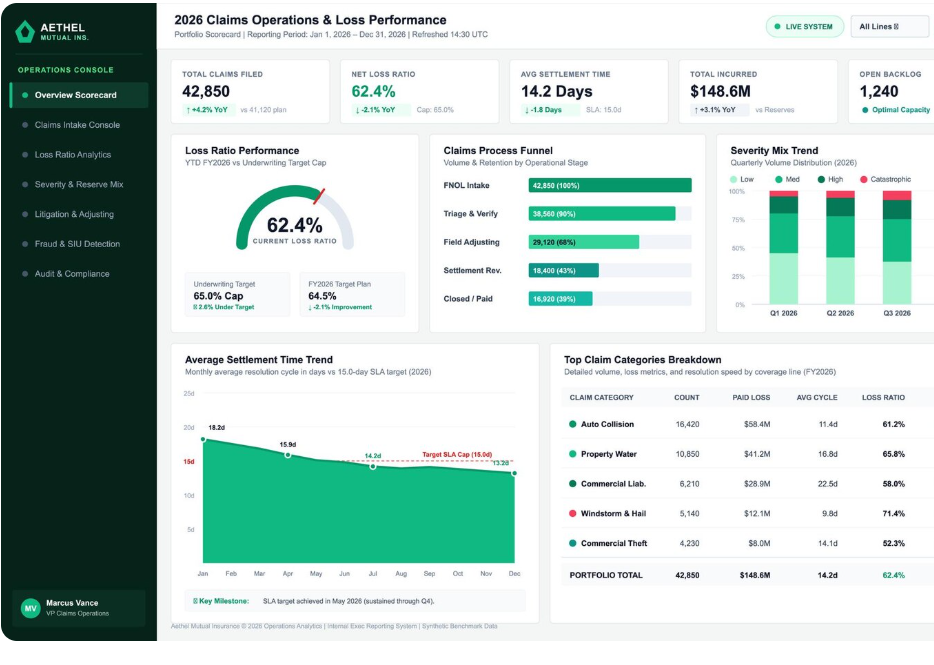
Digital reporting tools can bring together information about revenue, costs, cash flow, and business performance. Consultants may use these insights to identify trends, compare results against budgets, and support management decisions.
Automation and Efficiency
Automating repetitive processes such as data entry, reconciliations, and routine reporting may reduce manual work and improve consistency. However, automation still requires suitable controls, data validation, and human oversight.
Financial Data Security
Financial records contain confidential business information. Companies should use appropriate access controls, secure storage, backup procedures, and clear data-sharing agreements when working with consultants or external technology providers.
Common Mistakes to Avoid When Hiring a Finance Consultant
Businesses can improve the value of a consulting engagement by avoiding several common mistakes.
- Choosing based only on price: Consider experience, service quality, and the relevance of the proposed work.
- Setting unclear goals: Define the financial problem and the outcome you want to achieve.
- Providing incomplete information: Share accurate records and explain important assumptions.
- Ignoring implementation: Assign responsibility for putting recommendations into practice.
- Expecting guaranteed results: Financial forecasts and recommendations involve uncertainty.
- Overlooking professional boundaries: Confirm whether separate licensed professionals are needed for investment, tax, legal, or audit services.
- Failing to monitor progress: Review agreed performance indicators and update plans when circumstances change.
Best Practices for Getting the Most from Consulting Finance
To achieve useful results, businesses should approach financial consulting as a collaborative process rather than a one-time review.
First, identify the most important financial challenge. This might be unpredictable cash flow, declining margins, expansion planning, or inefficient reporting.
Next, prepare reliable financial records and explain the business’s priorities. Clear information helps consultants produce more relevant recommendations.
After receiving the analysis, develop an action plan with responsibilities, deadlines, and measurable objectives. Review progress regularly and adjust the plan as business conditions change.
Finally, maintain open communication between the consultant, business owner, accounting team, and other decision-makers. Financial recommendations are more likely to produce meaningful results when they are understood and implemented consistently.
Conclusion
Consulting finance helps businesses make better financial decisions through planning, analysis, cost management, cash flow forecasting, and financial process improvement. It can be valuable for startups preparing to grow, established companies reviewing their performance, and organizations facing complex financial decisions.
The key is to select a qualified consultant whose expertise matches the business’s requirements. Clear goals, accurate financial information, transparent fees, and consistent implementation can make financial consulting a useful part of a company’s long-term strategy.
Rather than focusing only on short-term savings, businesses should use financial consulting to strengthen financial visibility, manage risks, and build a practical foundation for sustainable growth.
Frequently Asked Questions (FAQs)
1. What does consulting finance mean?
Consulting finance refers to professional advice that helps individuals or businesses improve financial planning, budgeting, cash flow, investment decisions, financial reporting, and business performance.
2. What services do financial consultants provide?
Services may include financial analysis, budgeting, forecasting, cost management, capital planning, risk assessment, and financial process improvement. The exact scope depends on the consultant’s specialization.
3. Is financial consulting useful for small businesses?
Yes. Small businesses may benefit from help with cash flow planning, expense control, startup budgets, funding preparation, and growth decisions, particularly when they do not have an extensive in-house finance team.
4. How much does a financial consultant charge?
Fees vary according to experience, project complexity, location, and service duration. Businesses should request a written proposal that explains the scope, deliverables, payment structure, and any additional charges.
5. How can I choose a reliable financial consultant?
Review relevant qualifications, industry experience, service offerings, references, fees, and communication practices. Confirm any required professional authorization for regulated services and agree on clear objectives before beginning the engagement.