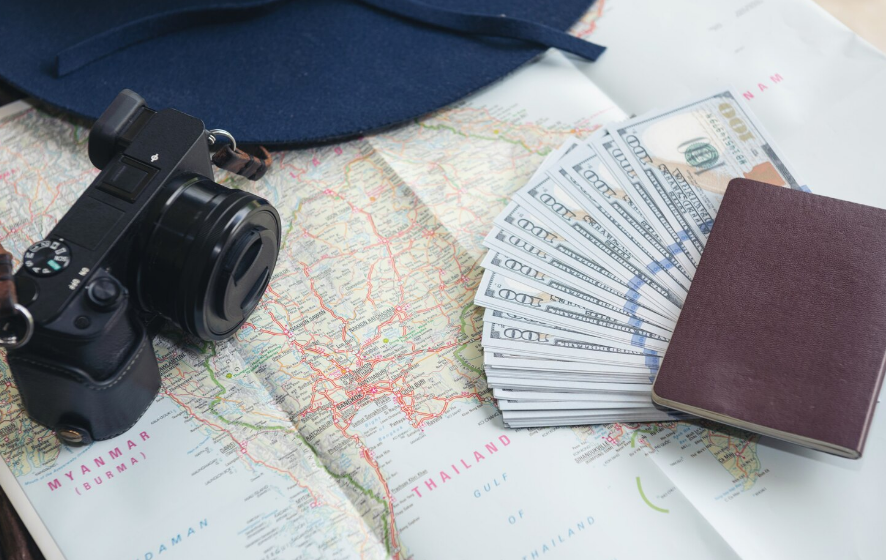

Traveling the world does not have to mean spending a fortune. With smart planning, flexible choices, and a little research, travelers can explore beautiful destinations while keeping their expenses under control. From finding affordable flights to choosing budget-friendly accommodation, there are many simple ways to reduce travel costs without sacrificing the overall experience.
Whether you are planning a weekend getaway, a long international journey, or a year of exploring different countries, learning how to manage your travel budget can help you stay on the road longer. The key is to focus on value rather than simply choosing the cheapest option available.
Plan Your Trip in Advance
Planning ahead can make a significant difference to your overall travel expenses. Booking flights and accommodation early may give you access to better prices and a wider range of options.
Start by researching your destination several weeks or months before departure. Compare transportation, accommodation, food, attractions, and other expected expenses. Having a rough budget will help you identify where your money is likely to go.
However, avoid planning every detail too early if your schedule allows flexibility. Sometimes leaving room for adjustment can help you take advantage of unexpected deals.
Travel During the Off-Season
One of the easiest ways to save money is to avoid peak tourist periods. Flights, hotels, tours, and attractions often become more expensive when demand is high.
Traveling during the shoulder season can offer a good balance between affordable prices and pleasant weather. You may also find fewer crowds, which can make popular attractions more enjoyable.
Before choosing your travel dates, research the destination’s busy and quiet periods. Even shifting your trip by a few weeks can sometimes make a noticeable difference in the total cost.
Compare Flight Prices
Airfare can be one of the biggest parts of an international travel budget. Comparing different airlines and travel dates can help you find better options.
Instead of automatically selecting the most convenient flight, look at different departure times, nearby airports, and alternative routes. A flight with a longer layover may cost less than a direct option.
Be sure to check the complete price before booking. A cheap-looking ticket can become more expensive after baggage fees, seat selection, meals, and other charges are added.
Flexibility is often one of the most valuable tools for finding affordable airfare.
Choose Budget-Friendly Accommodation
Hotels are not your only option when traveling. Hostels, guesthouses, vacation rentals, homestays, and budget hotels can provide comfortable alternatives.
If you are traveling for an extended period, consider accommodation that includes a kitchen. Preparing some of your own meals can reduce food expenses considerably.
Location also matters. Staying slightly outside the main tourist district may cost less, although you should consider transportation expenses and travel time before making a decision.
Always look beyond the advertised nightly price. Check taxes, cleaning fees, service charges, and other additional costs before comparing properties.
Eat Like a Local
Food is one of the most enjoyable parts of traveling, but restaurant expenses can quickly increase your budget. Eating where local residents eat is often more affordable than choosing restaurants located near major tourist attractions.
Local markets, neighborhood restaurants, food stalls, bakeries, and casual cafes can offer authentic meals at reasonable prices.
You do not have to avoid restaurants completely. Instead, balance your meals. You might prepare breakfast at your accommodation, enjoy an affordable local lunch, and have a restaurant dinner occasionally.
This approach lets you experience the local food culture while keeping daily expenses manageable.
Use Public Transportation
Transportation costs can become surprisingly high, especially in large cities. Taxis and private rides may be convenient, but public transportation is often much cheaper.
Research buses, trains, metro systems, and other local transportation options before arriving. Many cities offer daily or weekly passes that can reduce the cost of frequent journeys.
Walking is another excellent option when destinations are close together. It saves money while giving you an opportunity to discover streets, neighborhoods, shops, and local landmarks that you might otherwise miss.
Look for Free Attractions
You do not need to pay for every activity to enjoy a destination. Many cities have free parks, walking routes, public beaches, markets, museums with free admission days, cultural events, and historic areas.
Before your trip, make a list of free or inexpensive activities. Some destinations also offer free walking tours, although tipping the guide may be expected.
Outdoor attractions can be particularly valuable for budget travelers. Hiking trails, viewpoints, public gardens, and beaches can provide memorable experiences without expensive admission fees.
Avoid Unnecessary Travel Purchases
Tourist destinations often have shops filled with souvenirs and products designed specifically for visitors. While buying a few memorable items is perfectly reasonable, frequent impulse purchases can quickly damage your budget.
Set a souvenir budget before your trip. Think about whether an item is genuinely useful or meaningful before buying it.
You should also avoid paying for convenience when a cheaper alternative is available. For example, purchasing snacks and drinks from a local supermarket can often cost considerably less than buying them at tourist attractions.
Use Travel Rewards Carefully
Credit card rewards, airline loyalty programs, and hotel loyalty programs can provide useful benefits for frequent travelers. Points and miles may help reduce the cost of flights, accommodation, or other travel expenses.
However, rewards should not encourage unnecessary spending. Never spend more than you normally would simply to collect points.
If you already use a rewards program, learn how its benefits work. Understanding expiration dates, redemption rules, fees, and restrictions can help you get more value from your accumulated points.
Create a Daily Travel Budget
A daily budget can help prevent overspending. Before leaving home, estimate how much you can comfortably spend each day on accommodation, meals, transportation, activities, and miscellaneous expenses.
You do not need to follow the budget perfectly. Some days will naturally cost more than others. The important thing is to monitor your overall spending.
For example, if you spend more on an activity one day, you might choose a free attraction and an inexpensive meal the following day.
Tracking your expenses also helps you understand where your money is going and where you can make adjustments.
Be Flexible With Your Plans
Flexibility can be one of the most powerful ways to reduce travel costs. If you are willing to change your destination, travel dates, transportation method, or accommodation, you may discover better deals.
Instead of deciding on one specific destination immediately, compare several options. A nearby country or city may provide a similar experience at a much lower cost.
Flexibility does not mean compromising on safety or comfort. It simply means being open to alternatives that offer better value.
Travel Slowly
Constantly moving from one destination to another can become expensive. Every flight, train journey, bus ride, and transfer adds to your overall expenses.
Staying in one location for a longer period can reduce transportation costs and sometimes unlock weekly or monthly accommodation discounts.
Slow travel also gives you more time to experience a destination. Instead of rushing through a long list of attractions, you can explore local neighborhoods, discover affordable restaurants, and develop a deeper connection with the place.
Final Thoughts
Saving money while traveling the world is mainly about making thoughtful decisions. You do not have to avoid enjoyable experiences or choose uncomfortable options simply because you are traveling on a budget.
Plan ahead, compare prices, travel during less crowded periods, choose practical accommodation, eat locally, use public transportation, and take advantage of free activities. Most importantly, keep track of your spending and remain flexible when opportunities arise.
With the right approach, a limited budget can still open the door to incredible destinations and unforgettable experiences. Smart travel is not about spending as little as possible. It is about making every dollar work harder so you can travel farther and enjoy more along the way.

