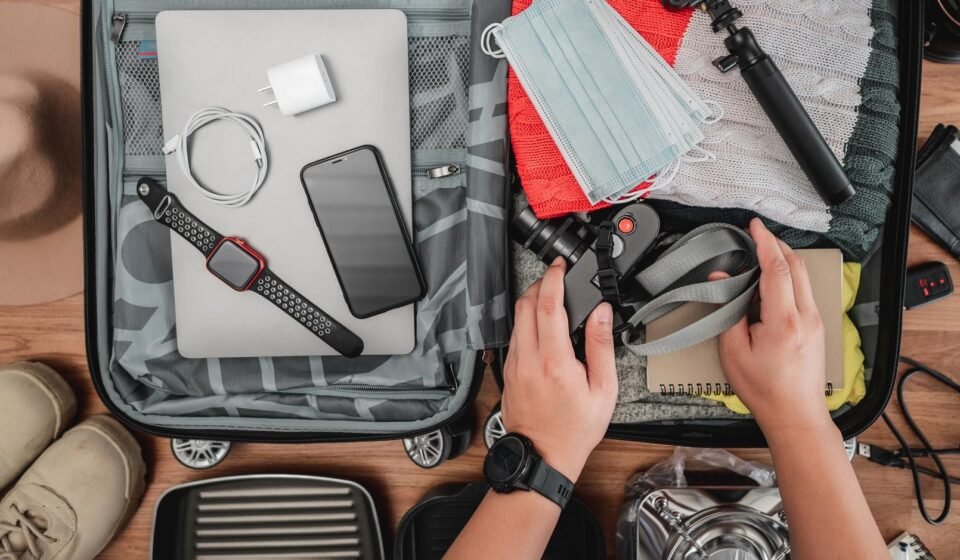

When preparing for a flight, many travelers wonder, is a backpack considered a personal item or does it count as a carry-on bag? In most cases, a small backpack can qualify as a personal item if it fits within the airline’s required dimensions and can be placed under the seat in front of you. However, airlines have different size and baggage policies, so understanding the rules before arriving at the airport can help you avoid unexpected fees or having to check your bag.
A backpack is one of the most convenient options for air travel because it is lightweight, easy to carry, and useful for keeping essential items close. Whether you are taking a short weekend trip or a longer vacation, choosing the right backpack size can make your journey much easier.
What Is a Personal Item?
A personal item is a small piece of baggage that airlines generally allow passengers to bring into the aircraft cabin in addition to, or instead of, a larger carry-on bag.
The important difference is where the bag is stored. A personal item is normally designed to fit under the seat in front of you, while a standard carry-on bag is usually stored in the overhead compartment.
Common examples of personal items include:
- Small backpacks
- Laptop bags
- Handbags
- Purses
- Briefcases
- Small tote bags
- Compact camera bags
- Small school or work bags
A backpack can therefore be a very practical personal item when its dimensions are within the airline’s permitted limits.
Why a Backpack Makes a Good Personal Item
Backpacks are particularly useful because they combine storage capacity with portability. Unlike a suitcase, a backpack can usually be compressed or adjusted to fit into a smaller space.
A well-designed travel backpack can hold essential items such as:
- Passport and travel documents
- Wallet
- Phone
- Charging cables
- Laptop or tablet
- Headphones
- Medication
- Snacks
- Small toiletries
- Books or entertainment
- Travel accessories
The key is not simply how much the backpack can hold. Its packed size is what matters when determining whether it can fit under the seat.
Personal Item vs. Carry-On Bag
Many travelers confuse a personal item with a carry-on. Although both can usually be taken into the cabin, they serve different purposes.
| Feature | Personal Item | Carry-On Bag |
|---|---|---|
| Typical storage | Under the seat | Overhead bin |
| Common examples | Backpack, purse, laptop bag | Suitcase, large travel bag |
| Size | Smaller | Larger |
| Purpose | Essentials and valuables | Clothing and larger belongings |
| Baggage allowance | Depends on airline and fare | Depends on airline and fare |
| Flexibility | Easy to keep nearby | More storage capacity |
A small backpack can function as a personal item, while a larger backpack may be treated as a carry-on if it is too large to fit under the seat.
How Big Can a Personal-Item Backpack Be?
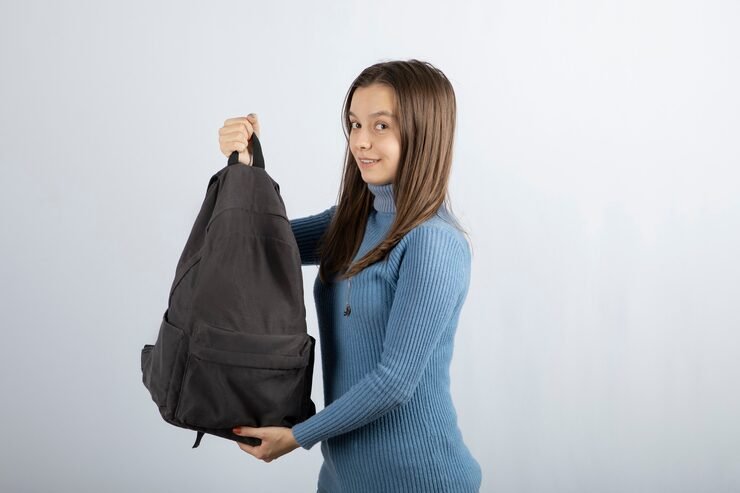
There is no single universal personal-item size for every airline. Each carrier can establish its own dimensions, and the permitted size can also depend on the fare you purchase.
For this reason, travelers should check the baggage allowance associated with their specific ticket before flying.
A useful rule of thumb is to choose a backpack that is compact enough to fit completely beneath the seat. A soft-sided backpack is often more convenient than a rigid bag because it can sometimes compress slightly when necessary.
However, travelers should not rely on being able to squeeze an oversized backpack into the available space. If the bag exceeds the airline’s permitted dimensions, it may be treated as a larger cabin bag or require additional payment.
How to Choose the Right Backpack
Choosing a personal-item backpack is easier when you focus on dimensions, organization, comfort, and flexibility.
1. Check the Dimensions
Before buying a backpack for air travel, check its height, width, and depth. Compare those measurements with the personal-item limits published by your airline.
Do not assume that a backpack marketed as a “personal item” will automatically qualify on every airline.
2. Choose a Soft-Sided Design
Soft backpacks can be easier to place underneath an airplane seat. They may also provide more flexibility when the bag is not completely full.
3. Avoid Excessive Bulk
A backpack with multiple exterior pockets can become bulky when every compartment is filled. Keep the bag organized without overloading it.
4. Consider Your Electronics
If you travel with a laptop or tablet, look for a backpack with a dedicated padded compartment. This makes security screening and boarding more convenient.
5. Look for Comfortable Straps
Even a small personal item can become uncomfortable when carried through a large airport. Padded shoulder straps and breathable materials can make a significant difference.
What Should You Pack in a Personal-Item Backpack?
The best personal-item backpack contains things you may need during the flight or immediately after landing.
A practical packing list might include:
- Identification and passport
- Boarding information
- Phone and charger
- Power bank, when permitted
- Wallet
- Headphones
- Laptop or tablet
- Prescription medication
- Small snacks
- Empty reusable water bottle
- Tissues
- Hand sanitizer
- Travel documents
- Small personal accessories
If you have checked luggage, keep valuable and important belongings in your personal item rather than placing them in checked baggage.
The Transportation Security Administration also recommends organizing carry-on items so that items requiring screening can be accessed easily. Its travel checklist notes that liquids, gels, and aerosols in carry-on baggage must follow the applicable 3-1-1 rule.
Can You Bring a Backpack and a Carry-On?
On airlines that permit both a personal item and a carry-on, passengers can generally bring two cabin bags as long as each meets the applicable requirements.
For example, a traveler might use:
- A small backpack as the personal item
- A small suitcase as the carry-on
The backpack goes under the seat, while the larger bag goes in the overhead compartment.
However, not every fare includes the same baggage allowance. Some budget fares may include only a personal item, while a larger carry-on can require an additional fee.
This is why checking your exact fare conditions is important before packing.
Backpack as a Personal Item on Budget Airlines
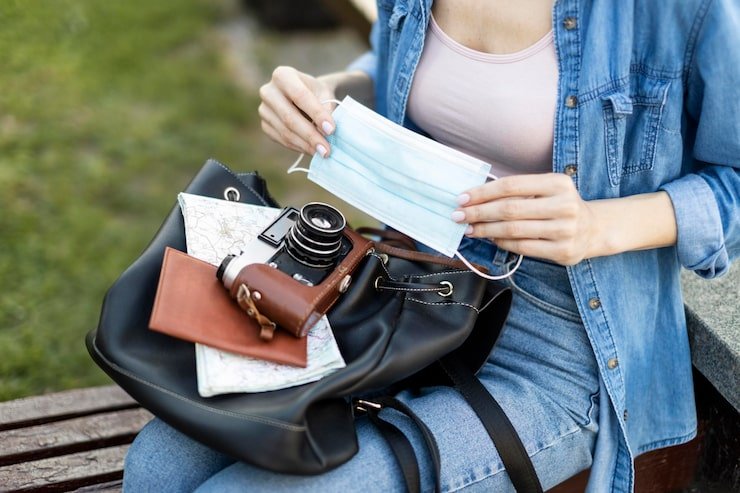
Budget airlines often have stricter baggage rules than travelers expect. A ticket may advertise a low base price while allowing only a small under-seat bag.
In this situation, a backpack can be an excellent choice because it can provide useful storage without requiring an additional cabin-bag fee, provided it meets the airline’s stated dimensions.
Before traveling, check:
- The personal-item dimensions.
- Whether a carry-on is included.
- Whether the baggage allowance changes based on your fare.
- Whether weight restrictions apply.
- Whether the airline measures bags at the gate.
A backpack that looks small enough may still exceed the airline’s published measurements when fully packed.
How to Pack a Backpack So It Fits Under the Seat
Packing technique can make a major difference.
Start by placing heavier items toward the bottom and close to your back. Keep frequently needed items in accessible pockets.
Try to avoid filling every compartment completely. Instead, leave a little room so the backpack can maintain a compact shape.
A useful arrangement might be:
| Backpack Area | Suggested Items |
|---|---|
| Main compartment | Clothing, book, light accessories |
| Laptop section | Laptop or tablet |
| Front pocket | Passport, wallet, boarding information |
| Small pocket | Cables, earbuds, chargers |
| Side pocket | Empty bottle or small travel item |
Avoid attaching numerous items to the outside of the backpack. External objects can make the bag wider and more difficult to store under the seat.
What Happens If Your Backpack Is Too Large?
If an airline determines that your backpack does not meet its personal-item requirements, several things can happen.
The airline may require you to:
- Place it in the overhead compartment if permitted
- Pay a baggage fee
- Check the bag
- Repack the backpack
- Remove items to reduce its size
The exact outcome depends on the airline and the circumstances.
This is why measuring your backpack before leaving home is better than discovering a problem at the boarding gate.
Backpack, Tote Bag, or Laptop Bag: Which Is Better?
The best personal item depends on your travel needs.
A backpack is generally best for travelers who want hands-free mobility and more organized storage. A laptop bag may be preferable for business travelers carrying a computer and documents. A tote bag can work well for passengers who want quick access to personal belongings.
| Personal Item | Best For | Main Advantage |
|---|---|---|
| Backpack | General travel | Comfortable and versatile |
| Laptop bag | Business travel | Electronics organization |
| Tote bag | Short trips | Easy access |
| Small purse | Minimal packing | Lightweight |
| Compact travel bag | Frequent flyers | Structured organization |
For most travelers, a compact backpack offers a good balance between storage and convenience.
International Flights and Personal Items
International airlines may have different baggage policies from domestic carriers. Even when two airlines operate similar aircraft, their cabin baggage allowances can differ significantly.
If your trip includes multiple airlines, check the baggage requirements for each carrier rather than assuming that one policy applies throughout the journey.
Pay particular attention to:
- Personal-item dimensions
- Carry-on dimensions
- Weight limits
- Fare restrictions
- Codeshare flight rules
- Connecting-flight requirements
If you have a connecting flight operated by another airline, the stricter allowance may become relevant.
Can You Put Liquids in a Backpack?
Yes, permitted liquids can generally be packed in a carry-on or personal item, but security screening rules apply.
For flights departing from airports using TSA screening, carry-on liquids, gels, and aerosols generally need to follow the 3-1-1 rule: containers of 3.4 ounces or less, placed in a single quart-sized clear bag, with one such bag per passenger.
Always check the applicable airport and airline requirements because security rules and airline baggage policies are separate considerations.
Common Mistakes Travelers Make
Several simple mistakes can turn a convenient backpack into a baggage problem.
Buying a Backpack Without Checking Measurements
A backpack advertised for travel may still be too large for a particular airline’s personal-item allowance.
Overpacking
A backpack that meets the measurements when empty may become too bulky when fully packed.
Ignoring the Fare Rules
Some fares have different baggage allowances. Never assume that every ticket includes the same cabin baggage.
Filling Exterior Pockets
Large water bottles, shoes, accessories, and other items attached to the outside can increase the overall dimensions.
Forgetting Connecting Airlines
Different airlines may have different cabin baggage requirements during the same journey.
Tips for Flying With a Backpack
For a smoother airport experience, follow these simple tips:
- Measure the backpack before your trip.
- Check your airline’s current baggage allowance.
- Keep valuable items with you.
- Avoid unnecessary bulk.
- Keep important documents easily accessible.
- Pack liquids according to airport security rules.
- Use internal compartments to organize electronics.
- Leave some empty space for flexibility.
- Keep the backpack compact when boarding.
- Do not rely solely on another airline’s baggage policy.
The TSA also recommends reviewing prohibited-item requirements for both carry-on and checked baggage before traveling.
Key Points to Remember
- A small backpack can generally serve as a personal item when it meets the airline’s size requirements.
- Personal items are typically intended to fit under the seat.
- Carry-on bags are generally larger and stored in the overhead compartment.
- Airline dimensions and fare rules vary.
- A soft-sided backpack can be easier to fit under a seat.
- Overpacking can make a qualifying backpack too bulky.
- Always check the baggage policy for your specific airline and ticket.
- Keep important documents, valuables, and essential travel items in your personal bag.
- Security requirements for liquids and prohibited items are separate from an airline’s baggage-size rules.
Final Thoughts
A backpack is one of the most convenient choices for air travel because it can hold essential belongings while keeping your hands free. Whether it qualifies as a personal item depends primarily on its size, how it is packed, and the specific airline’s baggage policy. A compact, flexible backpack is usually a practical option for travelers who want to avoid carrying a larger bag into the cabin.
Before your flight, measure the backpack, review your fare’s baggage allowance, and make sure the packed bag can fit comfortably under the seat. Taking these simple steps can help you travel more efficiently and reduce the risk of unexpected baggage charges at the airport.
FAQs
1. Can I use a regular backpack as my personal item?
Yes, a regular backpack can often be used as a personal item if it fits within the airline’s permitted dimensions and can be stored under the seat.
2. Is a backpack better than a small suitcase for a personal item?
A backpack is often more convenient because it is lightweight, flexible, and leaves your hands free. A small suitcase may provide more structure but can be harder to fit under the seat.
3. Does the weight of a personal item matter?
It depends on the airline. Some carriers focus primarily on dimensions, while others also impose a weight limit. Check your airline’s specific baggage conditions.
4. Can I bring a backpack and a carry-on suitcase?
If your fare includes both a personal item and a carry-on, you can generally bring both, provided each meets the airline’s requirements.
5. What size backpack should I choose for air travel?
Choose a backpack based on the personal-item dimensions of the airline you are flying with. A compact, soft-sided design is usually more flexible than a large rigid backpack.



[…] Read more: Is a Backpack Considered a Personal Item? Complete Airline Travel Guide […]